
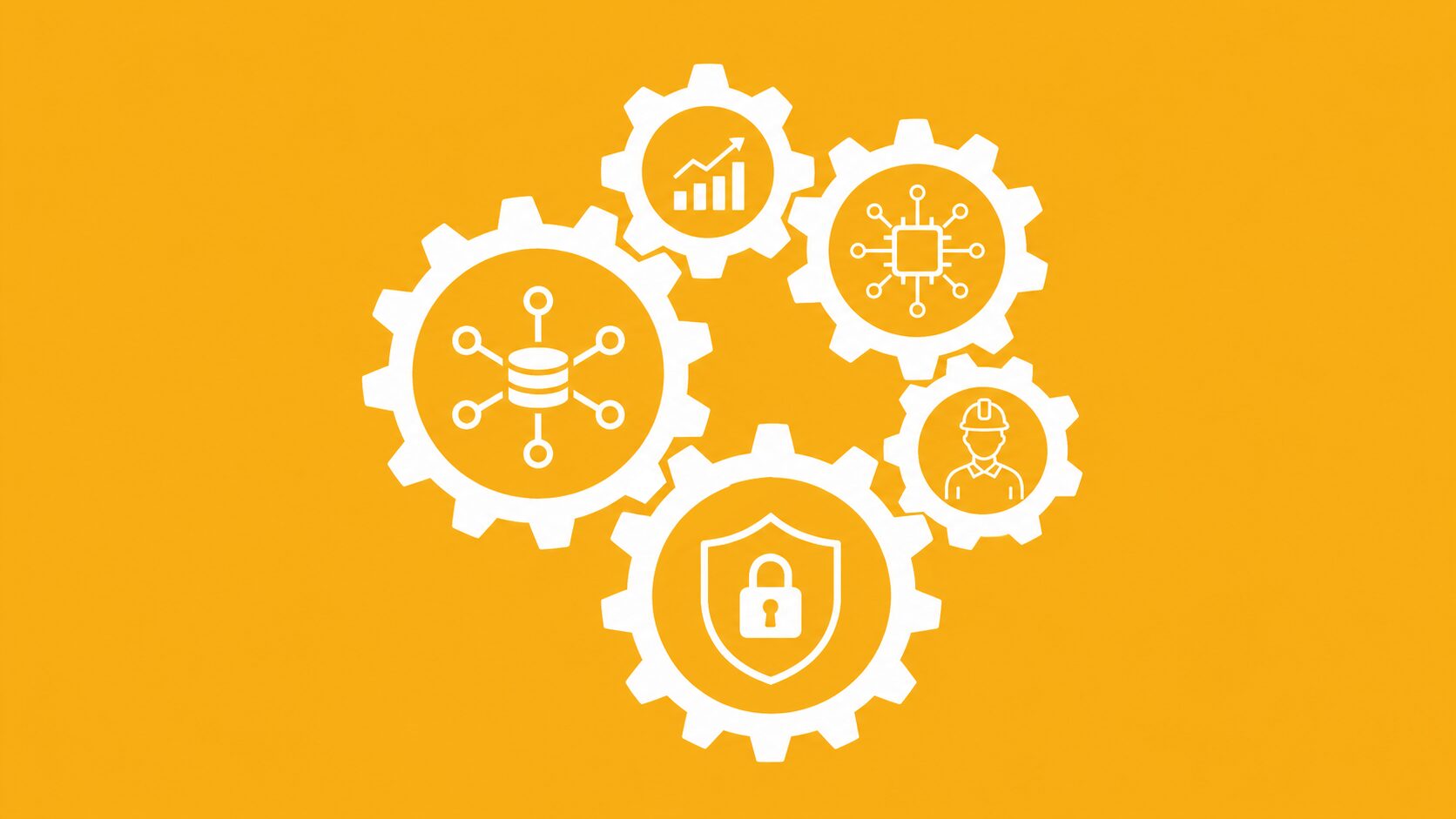
5 Digital Transformation Trends Manufacturers Can’t Ignore in 2026
Digital transformation has been a buzzword for years. At this point, most manufacturers have invested in something, whether that’s new automation, an MES, cloud infrastructure, or better production reporting.
Recently, though, the conversation has changed. It’s no longer about whether manufacturers should invest in digital transformation. The question now is where they’re investing and what is actually delivering results.
As we move through 2026, a few clear trends are emerging across the manufacturing industry. Some are driven by new technology. Others are simply a response to ongoing labor shortages, supply chain pressure, and increasing customer expectations.
Here are the five trends worth paying attention to.
1. AI Is Finally Moving Beyond the Pilot Phase
For the past couple of years, everyone wanted to talk about artificial intelligence. Most companies experimented with it, but very few moved beyond small proof-of-concept projects.
That is starting to change.
Manufacturers are finding practical uses for AI that solve real business problems. Maintenance teams are using it to identify equipment issues before they become failures. Engineers are using it to search technical documentation in seconds instead of hours. Quality teams are using computer vision to detect defects that are difficult to catch consistently with the human eye.
The companies seeing the greatest value are not replacing people with AI. They’re helping people make faster, better decisions.
2. Connected Data Is Becoming More Valuable Than New Software
For years, digital transformation often meant buying another application.
Today, many manufacturers already have plenty of software. The challenge is getting those systems to work together.
Production data lives in one system. Maintenance information lives somewhere else. ERP data lives somewhere else entirely. When none of those systems communicate, teams spend more time chasing information than using it.
Instead of adding more tools, manufacturers are focusing on connecting the ones they already own.
Reliable, accessible data is becoming one of the most valuable assets inside a manufacturing organization.
3. Cybersecurity Is No Longer Just an IT Responsibility
Manufacturing has become one of the most targeted industries for cyberattacks.
As more production equipment becomes connected, operational technology and information technology are becoming increasingly intertwined. That means cybersecurity conversations now involve operations, engineering, maintenance, and plant leadership alongside IT.
Digital transformation without cybersecurity is becoming difficult to justify. Protecting production systems is now just as important as improving them.
4. The Connected Worker Is Taking Center Stage
Technology investments are becoming more focused on helping people do their jobs more effectively.
Digital work instructions, mobile maintenance applications, electronic quality records, and real-time production dashboards are replacing paper processes that slow teams down.
This shift is especially important as experienced employees retire and manufacturers work to train the next generation of operators and technicians.
Capturing institutional knowledge has become a competitive advantage.
5. ROI Is Winning Over Hype
Manufacturers have become more selective about technology investments.
Instead of asking, “What new technology should we buy?” they’re asking, “What business problem are we trying to solve?”
That is a healthy shift.
The most successful digital transformation projects today are often the least flashy. They eliminate manual data entry. They reduce downtime. They improve scheduling. They help operators respond to issues faster. They save a few minutes here and a few hours there until those gains add up to something significant.
Technology for the sake of technology is losing momentum, as manufacturers opt for technology that produces measurable business results.
Looking Ahead
Digital transformation isn’t slowing down. If anything, it’s becoming more practical.
The manufacturers leading the way are focusing less on chasing the latest trend and more on building operations that are connected, resilient, and adaptable. They understand that successful transformation isn’t defined by the number of systems they implement. It’s defined by how well those systems help people make better decisions every day.
As these trends continue to evolve, one thing is becoming increasingly clear:
The future of manufacturing won’t belong to the companies with the most technology. It will belong to the companies that know how to use technology with purpose.


