
Operational Efficiency Starts Before Automation
When manufacturers begin looking for ways to improve operational efficiency, automation is often one of the first solutions considered.
Install new software. Upgrade equipment. Add more sensors. Implement MES. Build dashboards. Automate workflows.
Technology can absolutely drive significant improvements. But there’s a common mistake many organizations make:
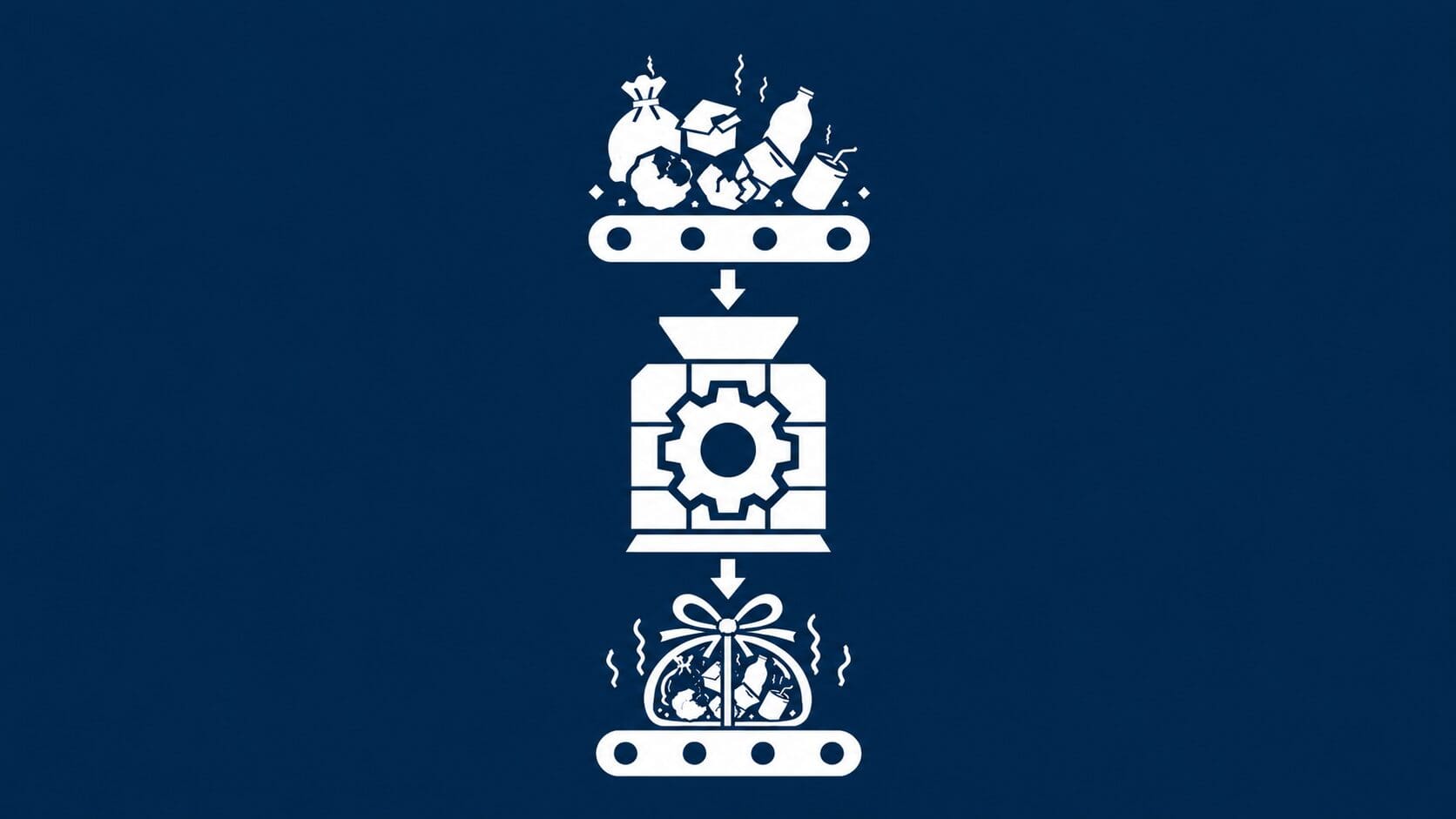
They automate inefficient processes.
The result is that bad processes simply happen faster.
Before investing in technology, manufacturers should first understand how work actually moves through their organization. The most successful automation projects begin long before a single piece of software is installed or equipment is commissioned.
They begin with understanding the process.
Technology Is Not a Process Improvement Strategy
Automation is often viewed as the solution to operational challenges. However, technology cannot fix unclear workflows, inconsistent procedures, poor communication, or undefined business requirements.
Consider a production approval process that requires multiple manual handoffs between departments.
Automating that workflow may reduce administrative effort, but if the approval path itself is unnecessarily complex, the organization has simply automated inefficiency.
The same principle applies across manufacturing operations.
If production data is inaccurate, automating reports does not improve decision-making.
If operators follow different procedures on different shifts, digitizing work instructions alone will not create consistency.
If departments operate in silos, connecting systems will not automatically improve collaboration.
Technology should support a well-designed process, not compensate for a poorly designed one.
Step 1: Process Mapping
Before any technology decisions are made, manufacturers should understand how work is currently performed.
Process mapping provides a clear picture of:
- Information flow
- Material flow
- Decision points
- Approval paths
- Manual activities
- Bottlenecks
- Areas of rework
Organizations are often surprised by how many inefficiencies become visible once a process is documented from start to finish.
What seems straightforward in daily operations frequently reveals unnecessary steps, duplicated effort, or communication gaps that have simply become accepted over time.
Without this visibility, automation projects risk solving the wrong problem.
Step 2: Requirements Gathering
One of the leading causes of technology project delays and cost overruns is unclear requirements.
Teams often know they need a solution but struggle to define exactly what success looks like.
Questions that should be answered before selecting technology include:
- What business problem are we trying to solve?
- What information do users need?
- What decisions need to be supported?
- Which systems need to communicate?
- What operational metrics should be tracked?
- How will success be measured?
Requirements gathering creates alignment across operations, engineering, IT, maintenance, quality, and leadership teams.
When expectations are clearly defined upfront, projects move faster and deliver more predictable outcomes.
Step 3: Workflow Analysis
Not every inefficiency requires automation.
Sometimes the greatest operational improvements come from simplifying a workflow rather than digitizing it.
Workflow analysis helps manufacturers evaluate:
- Where delays occur
- Where information is lost
- Where manual intervention is necessary
- Which activities add value
- Which activities create waste
This analysis often uncovers opportunities to eliminate unnecessary steps entirely before investing in technology solutions.
The goal is not to automate every task. The goal is to create a process that works efficiently and consistently.
Step 4: Build the Business Case
Technology investments should support business objectives.
Before implementing new systems, manufacturers should understand the operational and financial impact they expect to achieve.
A strong business case evaluates potential benefits such as:
- Reduced downtime
- Increased throughput
- Improved quality
- Lower labor costs
- Faster reporting
- Better decision-making
- Improved asset utilization
By establishing measurable objectives upfront, organizations can prioritize investments that deliver the greatest return and avoid projects that create complexity without meaningful value.
Why Consulting Matters
Many manufacturers engage technology providers after they’ve already selected a platform or solution.
Unfortunately, by that point, many of the most important decisions have already been made.
Smart manufacturing consulting provides an opportunity to step back and evaluate the bigger picture. Rather than starting with technology, consulting starts with the business.
It helps organizations define objectives, assess current-state operations, identify improvement opportunities, and develop a roadmap that aligns technology investments with operational goals.
The result is not simply a successful implementation. It is a solution that solves the right problem.
Better Automation Starts with Better Planning
Automation remains one of the most powerful tools available to manufacturers.
But technology alone does not create operational excellence.
The organizations that achieve the greatest results are those that first understand their processes, define their requirements, analyze their workflows, and build a clear business case for change.
Only then do they select the technology that supports those goals.
Because operational efficiency doesn’t start with automation. It starts with understanding how your operation works today and designing how it should work tomorrow.


